
The world's most famous coffee bean put this valley on the map. What will keep it there is everything else — the cloud forest, the trail between two oceans, and a generation of lodges that understood luxury here is measured in silence.
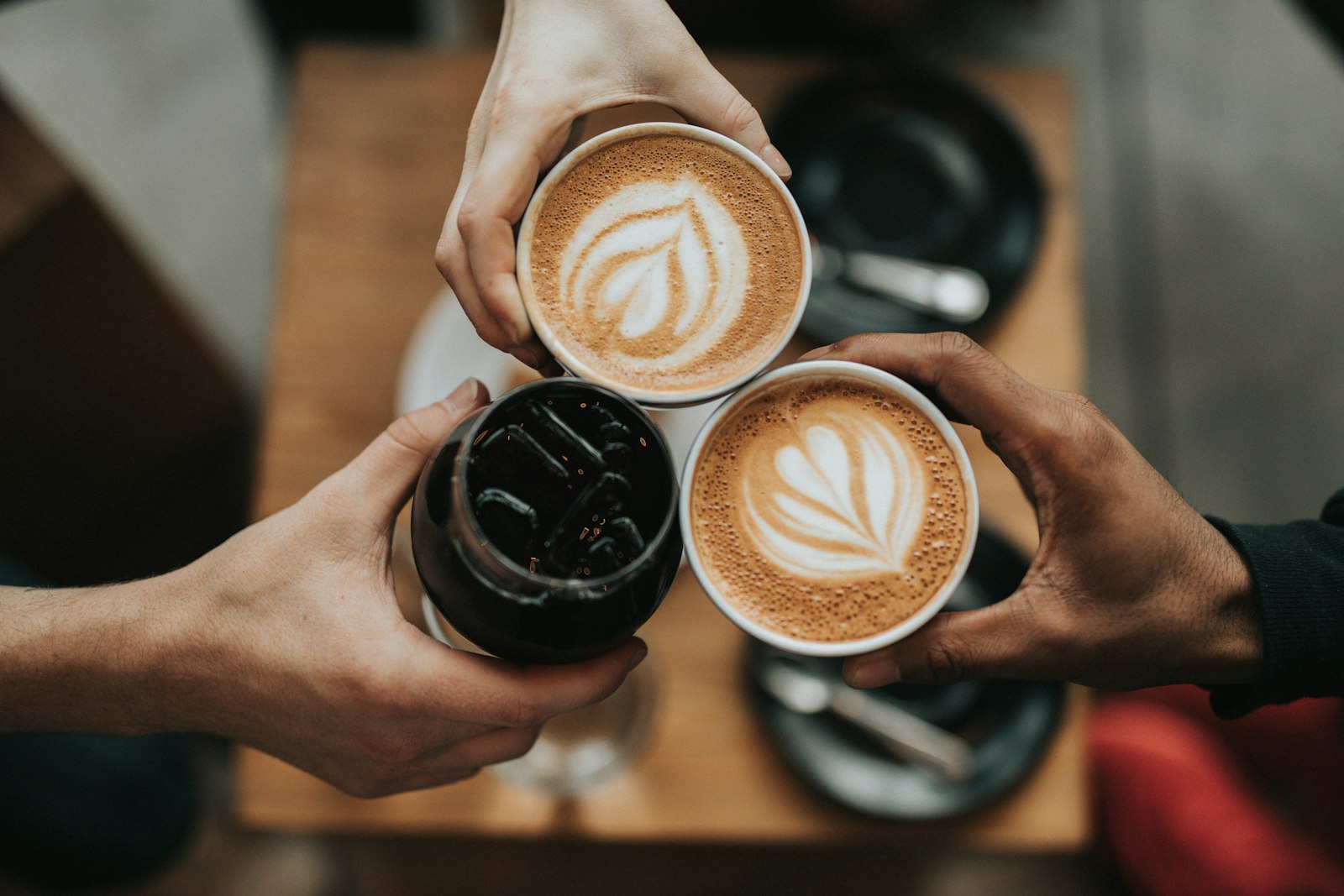
Everyone arrives in Boquete for the coffee. Fair enough: when a cup of Geisha auctions at prices that embarrass Burgundy, the pilgrimage becomes inevitable. Farm tours book out weeks ahead, cuppings sell out, and the whole town smells of medium roast by six in the morning.
But stopping at the coffee is reading only the first chapter.
Boquete sits at 1,200 meters, in a valley the Caldera River carved between mountains that almost always wear a hat of clouds. Temperatures hold between 18 and 24 degrees Celsius year-round — a statistic that sounds like science fiction anywhere else in Panama. There's no air conditioning here because nobody needs it. There are fireplaces.
And there is, above all, an ecosystem that exists nowhere else in the country with this kind of access: the cloud forest.
The trail across the roof of Panama
The Sendero Los Quetzales connects Boquete to Cerro Punta along the flanks of Volcán Barú, and it may be the most cited hike in Central America whenever birders start talking. The name isn't marketing. Between January and May, when the wild avocado trees fruit, the resplendent quetzal — the bird Mesoamericans considered too sacred to cage — shows itself through the mist often enough to disarm the most jaded birdwatcher.
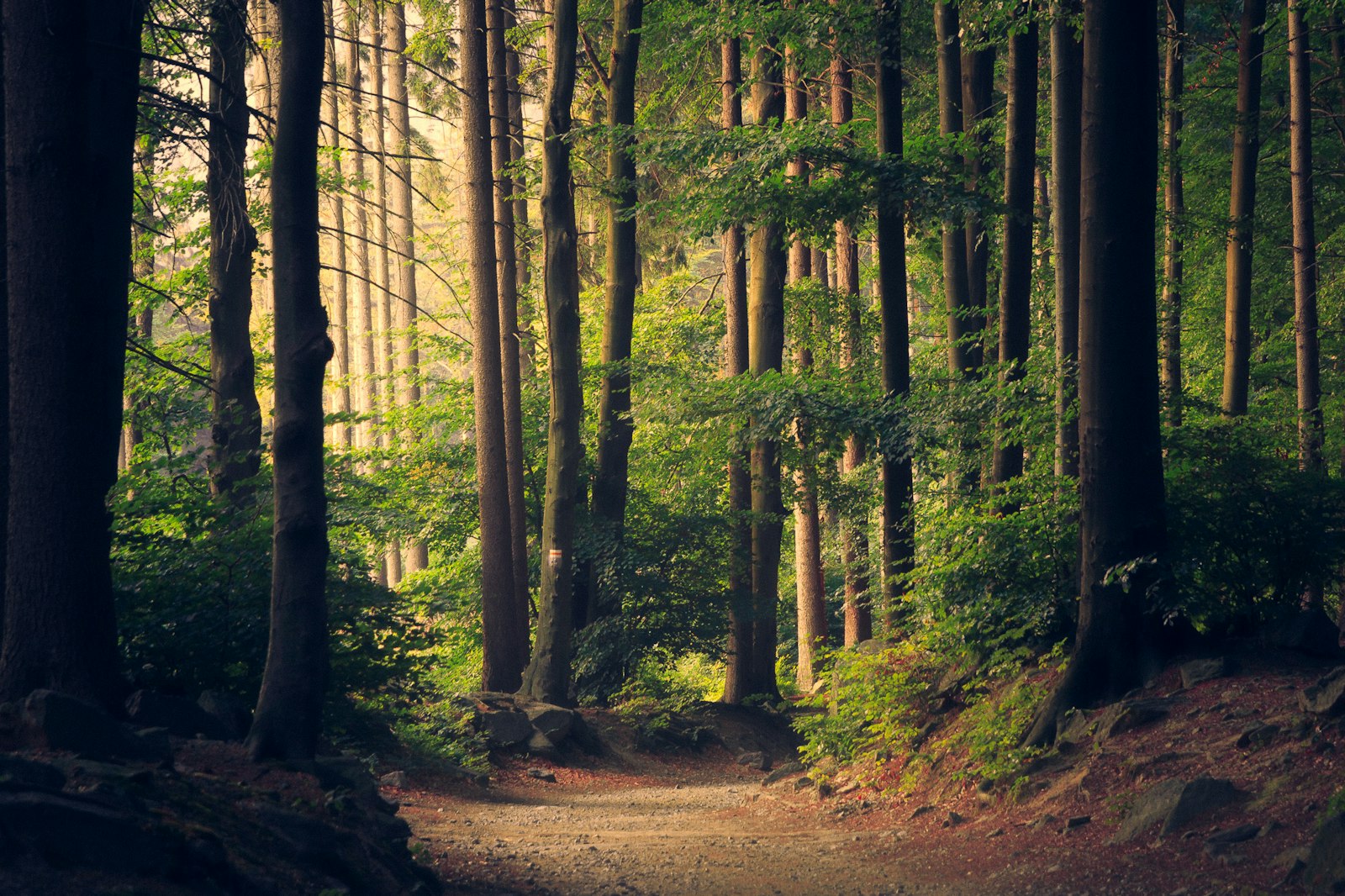
You don't need to be one. The trail works just as well for anyone who simply wants to walk five or six hours inside a cloud: moss hanging from everything, bromeliads the size of a table, water sounding in every direction, and that diffuse green light that resembles nothing else.
Barú deserves its own chapter. At 3,475 meters it's Panama's highest point and one of the few places on the planet where, on a clear dawn, you can see two oceans at once — the Pacific on one side, the Caribbean on the other. The classic ascent starts in the dark, four or five hours of climbing by headlamp, precisely to reach the summit before the clouds close the show. It's demanding, it's genuinely cold, and some people get to the top and see nothing. The ones who do see it never stop talking about it.
Hot springs, wild rivers, and the other side of the valley
Down toward Caldera, about forty minutes from town, volcanic hot springs surface in a setting that remains rustic in the best sense: stone pools beside the river, temperature graded by distance from the source, zero spa infrastructure. You pay a token entrance to the family that keeps the land, and the ritual is simple — trail, hot pool, plunge in the cold river, repeat.
The same Caldera River, along with the Chiriquí Viejo on the far side of the cordillera, sustains a whitewater scene the local guides run with Swiss-school seriousness. Class III and IV rapids depending on the season, water coming straight off the volcano, and stretches where the canyon narrows until all that's left is river, rock, and jungle.
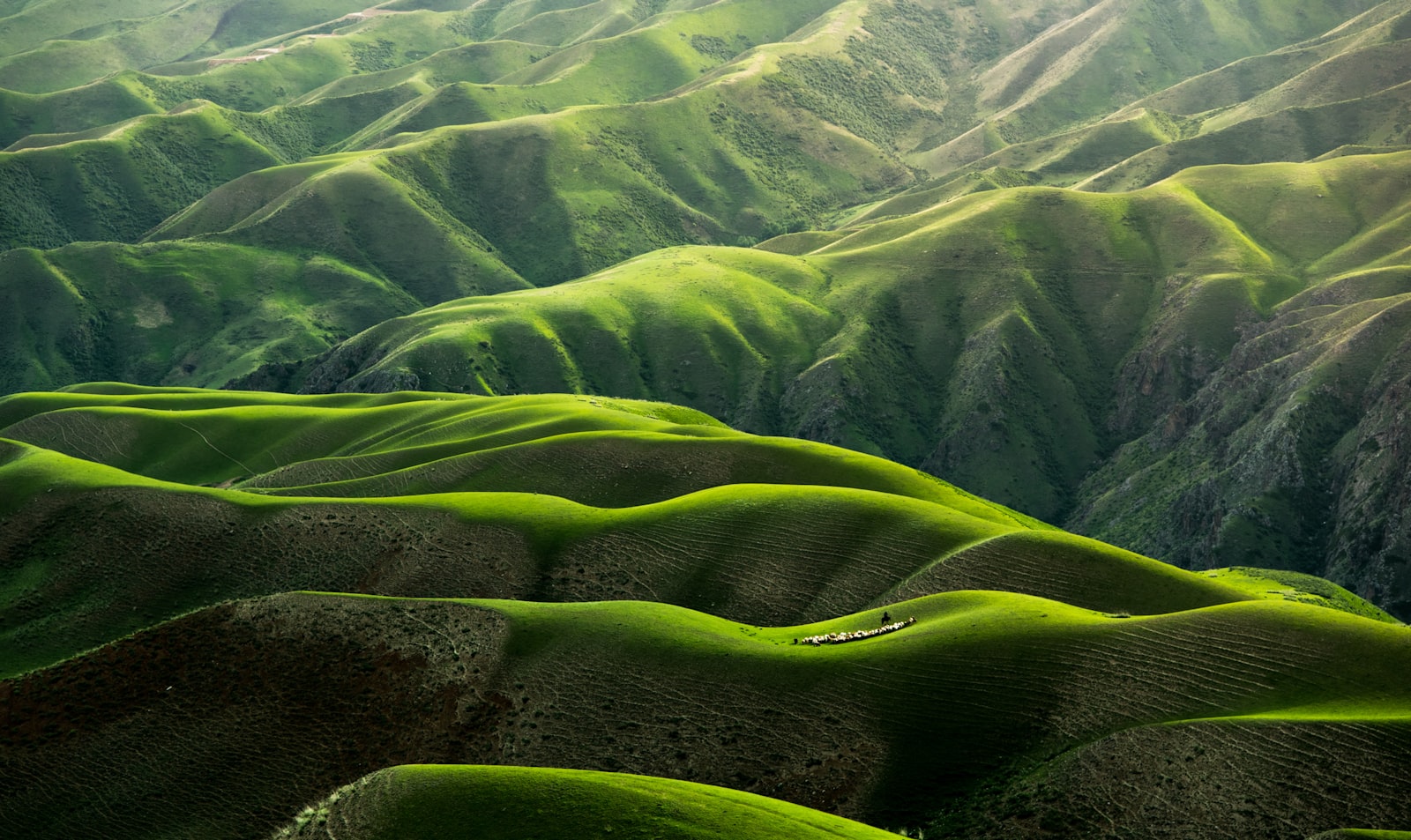
Then there's the other side: the Tierras Altas of Volcán and Cerro Punta, the western slope of Barú. Less visited than Boquete, more agricultural, with an alpine air that catches you off guard — strawberry greenhouses, gaited horses, low fog over onion fields. Cerro Punta is the gateway to La Amistad International Park, the binational giant shared with Costa Rica that remains one of the least explored territories on the isthmus. If you're looking for the unpolished version of the Chiriquí mountains, this is where you find it.
Where to stay: the luxury of altitude
Boquete's hoteliers figured out something that takes other destinations decades: nobody comes to the mountains to lock themselves in a resort. The valley's best places to stay are small, woven into the landscape, and treat the farm, the garden, or the forest as the real amenity.
Finca Lérida is the canonical example: a historic coffee estate — among the first to export Panamanian coffee — turned boutique lodge, where the rooms look out over coffee terraces climbing until they meet the cloud forest. You can walk from your bed to the quetzal-watching trail without getting in a car. The original house, the century-old processing machinery, and the export ledgers are all still there, a museum nobody bothered to turn into a museum.
Around the valley, a generation of small properties — architect-built cabins among the coffee, mountain lodges with fires lit by five in the afternoon, guesthouses where breakfast comes from the garden — competes in a category no booking engine indexes: well-managed silence. Over on the Cerro Punta side, at Los Quetzales, you can even sleep inside the national park itself, in cabins deep in the cloud forest — a rarity anywhere in Central America.
Our recommendation: resist the urge to use Boquete as a base camp for checking off activities. Three nights minimum. One for the body (hot springs, river), one for the forest (Los Quetzales or Barú, choose your level of ambition), and one for doing absolutely nothing except watching the cloud come down the hillside in mid-afternoon.
Chiriquí's moment
Something is moving in these mountains. Lonely Planet named Chiriquí among the top regions in its Best in Travel 2025, and the stream of travelers who used to exhaust Costa Rica and turn back has started crossing the border more often. The road from David — an airport with daily flights from Panama City — takes barely forty minutes.
The window, though, is still open. Boquete is still a town where the Tuesday market is a social event, where the mountain guides know each other by name, and where the word "overtourism" sounds like someone else's problem. Still.
Come for the coffee if you like. It's as worthy a door as any. But climb into the forest, get in the river, cross to Cerro Punta, stay one night longer than you planned. The bean is the anecdote. The altitude is the story.
The practical file
Getting there: Panama City–David flight (1 hour) + 40 minutes by road. Overland from the capital: 6–7 hours on the Pan-American Highway.
When to go: December–April for clear skies (quetzal season: January–May). The green season has its own appeal and far fewer people.
Climate: 18–24 °C year-round. Always pack layers and a rain shell; the bajareque — the valley's signature sunlit drizzle — gives no warning.
Don't miss: Sendero Los Quetzales, Caldera hot springs, sunrise on Barú (guided only), Boquete's market, the crossing to Cerro Punta and Volcán.